
Kin — Compacts, Circles & Advancement
Kin are beings who struck a deal with the Order of Dusk. They enter compacts with Bloodsworn and lend their power in battle — a support layer on top of your weapons and Bloodsworn Skills. This page explains what compacts do, how the three summoning circles differ, which archetypes showed up in the network test, and how to grow or replace a kin mid-match without wasting the run.
Last updated: October 25, 2026
Compacts with Kin
Those who have entered an agreement with the Order of Dusk are known as kin. Kins enter compacts with the Bloodsworn, lending their power. Compacts are formed at summoning circles found at the base of the chains of light that stretch into the sky. In practice, a compact is both a combat partner and a second progression track: while you push your own Bloodsworn Skills, your kin quietly converts fight time into experience — so the partner you keep is as important as the weapon you carry.
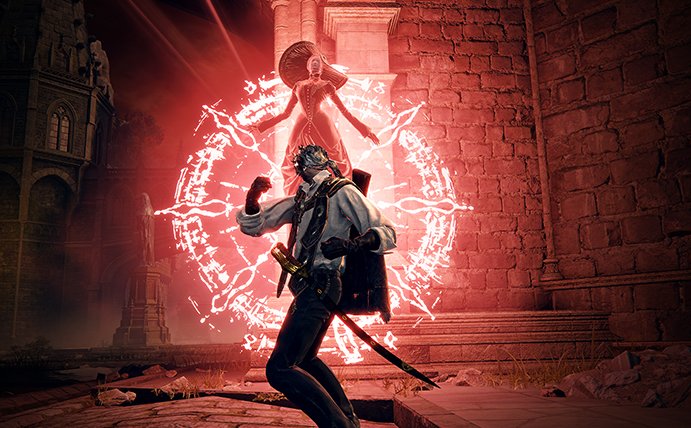
Summoning Circles
There are three types of kin summoning circle. Each one lets you compact with a different type of kin. Choosing a circle is a loadout decision disguised as a map decision: the circle family you bind first shapes which utility (sustain, control, or burst pressure) you can count on when the lobbies get crowded.
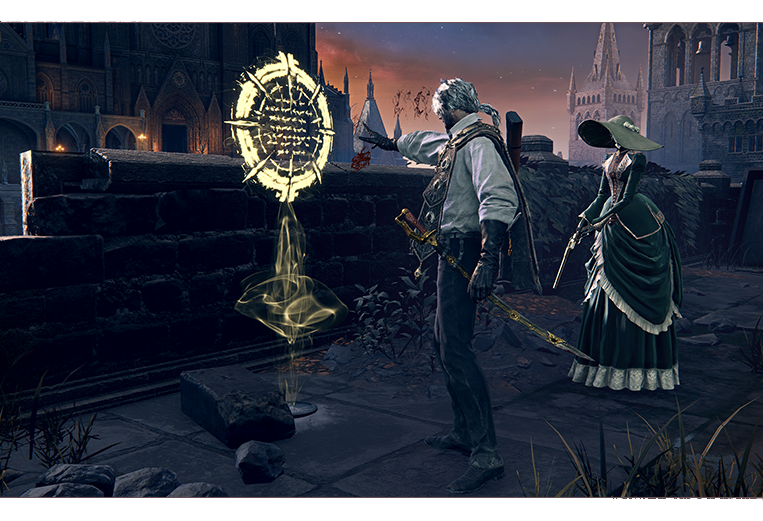
Ring
A Ring-type summoning circle. Contracts with one family of kin — often the pick when you want reliable frontline support that can survive messy plaza brawls.
Blade
A Blade-type summoning circle. Contracts with a different family of kin — typically more aggressive tools that help you convert skirmishes instead of stalling them.
Eye
An Eye-type summoning circle. Contracts with yet another family of kin — utility-oriented partners that protect allies, reveal pressure, or punish overcommitted attackers.
Eight kin exist in the network test version. Circle type limits which family you can bind, but every family still has multiple candidates — read the compact offer before you lock the run.
Kin Archetypes
Various kin offer support with unique abilities. The network test included figures like these — none of them are cosmetic pets; each one changes how you should path, duel, and hold objectives.
Young Swordswoman
A young swordswoman of a clandestine society. Reliable melee pressure that pairs well with aggressive Blood Arts and short rotations between ritual sites.
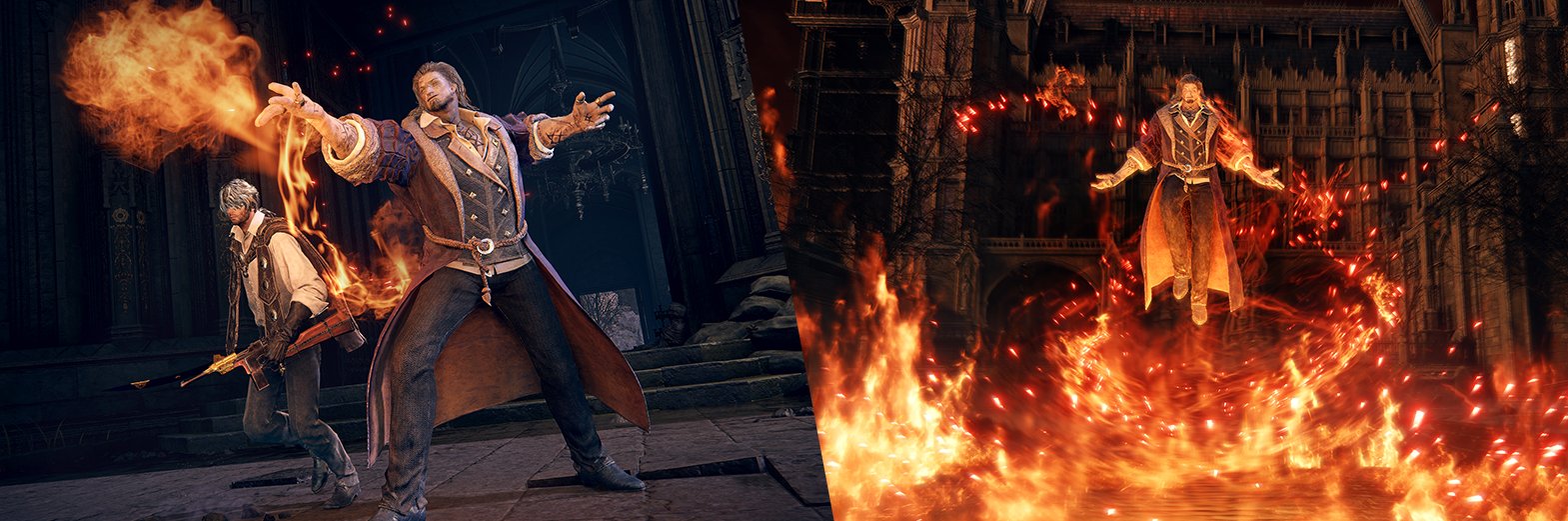
Flame Sorcerer
A sorcerer who has mastered the flame. Excellent at denying chokes and finishing weakened targets after a furnace-imbued trade.
Singing Prisoner
A prisoner who can protect allies by singing. Best when your team is stacking for spire channels or surviving a three-team collapse.
Black Wolf
A black wolf who lords over a forest. Strong in outdoor lanes and forest edges, where chase tools and open sightlines decide who leaves the region.
Shield Bearer
A stoic guardian who buys time. Use them when you need to stabilize after a bad culling instead of forcing another duel on low Virtue.
Lantern Scout
A pathfinder who lights the way. Information-heavy kin that reward players who actually look at the map instead of autopiloting the plaza.
Kin Advancement
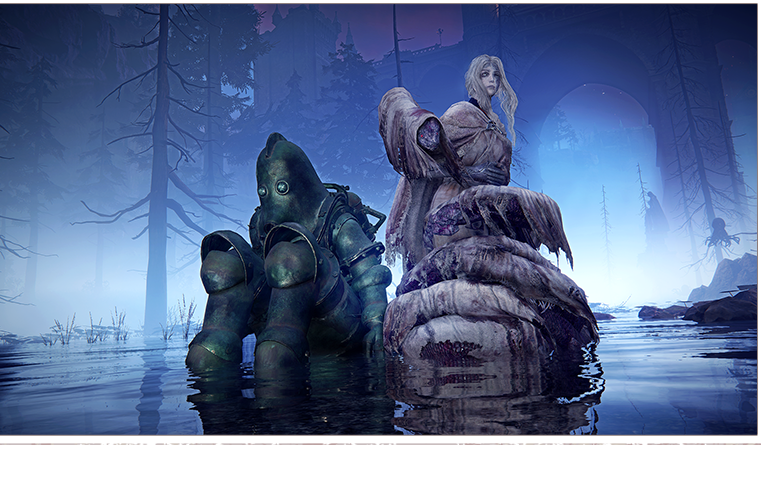
When you defeat enemies while accompanied by a kin, your kin gains experience and can grow. Advancement is why mid-round farming still matters after your first weapon upgrade: every cleared bloodbag, staggered foe, and converted roar feeds the partner that will still be with you in the final three. Prioritize safe experience if your kin is one fight away from a breakpoint; prioritize score if the culling window is about to close.
Summoning & Dismissing
Summon and dismiss kin from the Function menu. When kin die, you can summon them again after a cooldown, so a lost partner is a tempo hit — not a run-ender. Dismiss deliberately if a better compact becomes available and you can afford the downtime. The common mistake is clinging to a dead compact out of habit; the advanced habit is treating kin like any other cooldown-based advantage you re-evaluate between phases. Also remember that a compact is not a substitute for positioning: a kin can buy seconds, but it cannot fix a route that walks into three teams without a plan.
System facts reference public FromSoftware / Nintendo network-test guidance. Images are site-hosted crops for illustration. Layout, analysis, and recommendations on this page are independent and unofficial.